





Hi-vis clothing for construction workers
 Many construction employers think they are providing their project teams with the best high-visibility (hi-vis) work wear, when in fact they are putting their lives at risk this winter, says leading safety equipment specialists OnSite Support.
“At this time of year when construction teams are working outside in low light and poor visibility conditions, they need to be wearing reflective clothing that reflects from all angles,” says safety clothing specialist Chris Wellgreen from OnSite Support. “Clothing that’s visible during the day but almost invisible in low light because it’s dirty or not marked with the proper reflective striping, is a safety hazard which puts workers’ lives at risk.”
To be appropriate for the job and working conditions, reflective workwear must fit properly and meet ISO EN 20471:2013 for high-visibility warning clothing - a European standard, recognised by a ‘CE’ mark. The standard gives safety specifications for coveralls, jackets, waistcoats, tabards, trousers and harnesses.
“There are three classes of hi-vis garments based on their levels of visibility,” explains Chris. “BS EN471 Class 3 is the highest grade and most visible clothing. It includes reflective jackets, coats and trousers, which are essential protective workwear for high-risk construction workers such as marshallers, transport and maintenance teams, particularly if they are working at night.”
All UK employers are required to provide their employees with clean, undamaged hi-vis clothing if they are working in reduced visibility conditions, and ensure that staff know how to wear it correctly and when it is required. Employers are also responsible for maintaining, storing and regularly checking and replacing damaged garments.
“Hi-vis clothing should be comfortable, non-restrictive and provide good visibility during the day, at night, and in poor weather conditions. The best colours for conspicuity are orange or fluorescent yellow and all clothing should have certified reflective strips,” explains Chris. “Just as importantly, these garments should be compatible with other protective workwear and safely secured so that they don’t catch or interfere with the operation of other equipment.”
According to the Health and Safety Executive, around seven workers die and 93 are seriously injured annually by vehicles or mobile plant on construction sites. “Many of these accidents are due to workers not being seen on site and could have been avoided if they had been wearing the right reflective clothing,” says Chris.
[edit] Related articles on Designing Buildings
- Banksman.
- CDM.
- CE Mark.
- Demolition.
- Design risk management.
- Dynamic self-retracting lanyard.
- Ergonomics in construction.
- First aider.
- Getting personal about protective equipment.
- Health and safety file.
- Health and safety.
- Method statement.
- Near miss.
- Permit to work.
- Personal protective equipment.
- Purchasing personal protective equipment.
- Risk assessment.
- Safety briefing.
- Safety helmet colours.
- Social distancing compliance marshal.
- The Personal Protective Equipment at Work Regulations 1992.
- Toolbox talk.
Featured articles
Check out some of the best features and news from Designing Buildings as well as key stories from around the web.

New Prime Minister delivers on ECA call for cut in electricity costs.

CIOB reacts to the announcement of Andy Burnham as Prime Minister.

Heritage and conservation science workforce survey - Have your say.
England's Suburbs 1820-2020. Book review.

New, more proportionate and targeted approach for higher-risk building assessments.
Government brings British Steel into public ownership.
UKCW Birmingham returns with bold new theme and focus.
New guidance published on competence requirements for self-certification schemes.
Construction Management, 8 July
NEETs crisis drives interest in trades, but apprenticeships barriers remain.
Passive fire protection webinar

MEP services penetration seals.

Where its at podcast (and video) - The role of the Architectural Technologist as an Expert Witness.
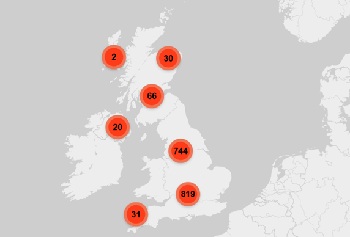
More than 200 remarkable buildings added to SAVE’s Buildings at Risk register.
Comments
Good Job, excellent article, I loved it the way that you explained about Hi Vis Clothing safety purpose